flat tire repair patch vs plug

Whether a tire patch or a plug is the way to go, a lot of drivers who have had tire problems on the road might be interested in the best way to fix a flat. Needless to say, local shops disagree on this all the time. The availability of options leads to some debate over what's the "best" way to fix a tire. Is it the patch or the plug? Here are some considerations for learning which you would rely on in a flat tire emergency. Some shops may recommend a plug in a tire because it is the cheapest and the quickest option. When someone has broken down on the highway and needs to get somewhere, they can enjoy the convenience of the quick plug (which often costs less than $10 and can be done in just a few minutes). Also, the technology for plugs has improved over time. In the old days, plugs were simply inserted into the tire, and that was that. Newer plugs "vulcanize" to the tire for improved stability on the road. As a result, a driver can get a quick tire plug and drive another 20k miles on the tire with no problems.

Limitations to Tire Plug Methods Even though a tire plug by itself might be enough, national road safety agencies caution against a simple plug. Here are some of the situations where relying on a plug might be less effective: Lots of experts also caution that a plug should not be applied without a patch unless a shop takes off the wheel for a visual inspection.
run flat tires for 2006 mini cooper sThorough inspection of the punctured tire helps catch additional damage that may go unnoticed when the tech is simply inserting a plug from the outside of the tire.
car tyres phillip actThe best and most effective solution, according to safety experts, is to combine a plug with a patch, to make sure the fix will stabilize the puncture.
road bike tires with least rolling resistance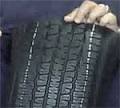
Some classes of tire puncture are not generally repair-worthy, according to those who understand tire safety. A puncture of greater than 1/4" in diameter will require a more complicated solution than a plug and patch. Some drivers deal with this by using a full-sized spare as a replacement and buying one additional tire.
car tyre dealers melbourne The above will help drivers understand what they can do about the next flat that finds them on the road.
tires for camry solaraAsk your mechanic about what specific methods they routinely use to repair a tire, and don't be afraid to ask for the option that you feel is the safest and the best.
cheap rims and tyres durbanA vulcanizing flat tire plug is a piece of specialized rubber that keeps the air from leaking out a hole or puncture repair in your tire.

Once you have cleaned and fixed the hole, ensuring the tire is safe, you then roughen the area and apply the specialized vulcanizing agent around the hole. The vulcanizing must become tacky. When it does, you then apply the flat tire plug, as it bonds with the vulcanizing agent you have placed down. The flat plug becomes part of the tire wall. You then make sure it's clean and, if necessary, put down a bit more vulcanizing agent on the plug so you have a tight seal.In general, you will find that mushroom tire plug kits are a tad more expensive than standard repair kits. The reason behind the difference is that once you have inserted it, using the correct cleaning and vulcanizing techniques, the mushroom will not only become part of the tire, but it will also strengthen the tire area where it is used. Further, you will also find that "where the mushroom meets the road" or the external part of the plug, that it also strengthens the tread area. In short, although they are expensive, they are worth the money you are spending due to its features.

You can expect a tire plug repair, if it is done correctly, to last the length of life of the tire. In other words, if you have your tire repaired at 10,000 miles and your tire lasts for 40,000 miles, then your tire plug should last for another 30,000 miles. At an average, you can expect it to last 7-10 years if used properly. All it takes is ensuring that the plug is cleaned and dressed properly, and then you use the right vulcanizing agent so that the tire patch will last. Also be sure that the patch is done on the interior and tread-side of the tire.Here’s something that will ruin you’re entire morning, the old screw or nail in the tire deal that leaves you with a flat. Well, they usually can be fixed, but you have to use some precautions here: number one, you’re going to have to put on a spare. Your spare is probably a temporary. It’s going to have all kinds of writing on it. I would suggest that you follow those directions, because the only way that this can be safe is if it used as a temporary spare and it has the proper pressure in it.

That’s where the real issue comes in. Remember, number one, that you cannot repair a tire if the damage is outside these lines. No, your tire doesn’t have lines like that. You have to envision them on the tires. The typical way that a tire is fixed, and it’s completely improper, is to take a plug and just jam it through the tread of the tire and that’s the end of it. If it doesn’t leak, everything is fine. But how do you know what the inside of the tire looks like? So, the tire always has to be de-mounted from the rim for a proper repair. Now that also leads us to another problem. You get it de-mounted. What do a lot of people do? They put a patch in there. Well, the patch doesn’t work either, not by itself. The reason for that is real simple. If you put a plug through the outside it seals the outside, but doesn’t necessarily seal the inside. So that’s the reason you de-mount the tire and you put a special sealant around the plug that keeps air from migrating into the plies of the rubber in the tire.